You’re not alone if you’re considering a career change in your 30s or beyond. In fact, most people will make several career transitions throughout their working lives, and age 30+ is often when we gain the clarity and confidence to pursue what truly fulfills us. Whether you’re seeking better work-life balance, following a passion, or simply ready for a new challenge, career transition help is available to guide you through this exciting journey.
The truth is, you have three to four decades of working life ahead of you: plenty of time to build a successful new career path. Let’s explore everything you need to know about making a successful career change, including how career coaching can transform your transition experience.
Why Career Change at 30+ Makes Perfect Sense
First, let’s address the elephant in the room: you’re definitely not too old to start fresh. Career transitions in your 30s, 40s, 50s, and beyond are increasingly common in today’s dynamic job market. Your desire to redirect your career path actually reflects growth and self-awareness: qualities that weren’t as developed when you first entered the workforce.
Many people find themselves feeling stressed or anxious about their current work, which can be clear indicators that something needs to change. You might be seeking greater fulfillment, better compensation, or simply want to explore different interests you’ve discovered along the way.

Phase 1: Deep Self-Reflection and Assessment
Before jumping into job boards or updating your resume, successful career transition help always begins with understanding yourself better. This introspective phase is crucial for creating a roadmap that actually leads where you want to go.
Ask yourself these key questions:
- What impact do I want to make through my work?
- Which skills energize me most when I use them?
- What topics or causes genuinely excite me?
- What kind of work environment helps me thrive?
- How do my other life priorities (location, salary, flexibility) factor in?
Take your time with this phase. Most people rush through self-assessment, but the clarity you gain here will save you months of confusion later. Consider keeping a journal for a few weeks to track what aspects of your current role you love and what drains your energy.
Skills Inventory Exercise
Next, conduct an honest assessment of your current abilities. List both your hard skills (technical expertise, certifications, software knowledge) and soft skills (communication, leadership, problem-solving). You’ll be surprised how many of these translate across industries.
Don’t underestimate skills you think are “just part of the job.” Your project management experience, client relationship abilities, or team coordination skills are valuable assets that many employers desperately need.
Phase 2: Strategic Research and Exploration
Once you have clarity on your values and skills, it’s time to explore what’s possible. Career change coaching professionals often emphasize this exploration phase because it helps you make informed decisions rather than emotional ones.
Industry Research Essentials:
- Growth trends and job market outlook
- Typical career progression paths
- Required skills and qualifications
- Salary ranges and benefits
- Day-to-day responsibilities
Networking for Information
Reach out to professionals in your fields of interest for informational interviews. Most people are happy to share their experiences, and these conversations provide insider insights you can’t find online. Prepare thoughtful questions about their career journey, industry challenges, and advice for newcomers.
LinkedIn is your friend here, but don’t overlook professional associations, industry events, and even social connections who might know someone in your target field.

Phase 3: Identifying and Leveraging Transferable Skills
Here’s where many career changers get discouraged, thinking they need to start from scratch. The reality is that you’ve developed valuable transferable skills throughout your career that apply across industries.
Common High-Value Transferable Skills:
- Communication and presentation abilities
- Project management and organization
- Problem-solving and critical thinking
- Customer service and relationship building
- Data analysis and reporting
- Budget management and financial planning
- Team leadership and collaboration
The key is learning to translate your experience into language that resonates with your target industry. For example, if you managed restaurant staff, you have experience in team leadership, performance management, and high-pressure decision-making: skills that apply everywhere from healthcare to tech.
Phase 4: Strategic Skill Development and Education
Most career transitions require some upskilling, but this doesn’t necessarily mean returning to school for years. Today’s learning landscape offers flexible options that fit around your current responsibilities.
Efficient Learning Approaches:
- Online certifications relevant to your target field
- Industry-specific workshops and seminars
- Professional development courses
- Bootcamps for technical skills
- Volunteer work to gain hands-on experience
Focus on skills that are most in-demand in your target field. If you’re moving into digital marketing, prioritize learning about analytics, content management systems, and social media strategies rather than getting a broad marketing degree.
The Benefits of a Career Coach
This is often where working with a professional becomes invaluable. Career coaching can help you identify exactly which skills to prioritize, recommend efficient learning paths, and keep you accountable to your development goals. An ideal career coach will have experience in career transitions and can provide industry-specific guidance.
Phase 5: Gaining Practical Experience
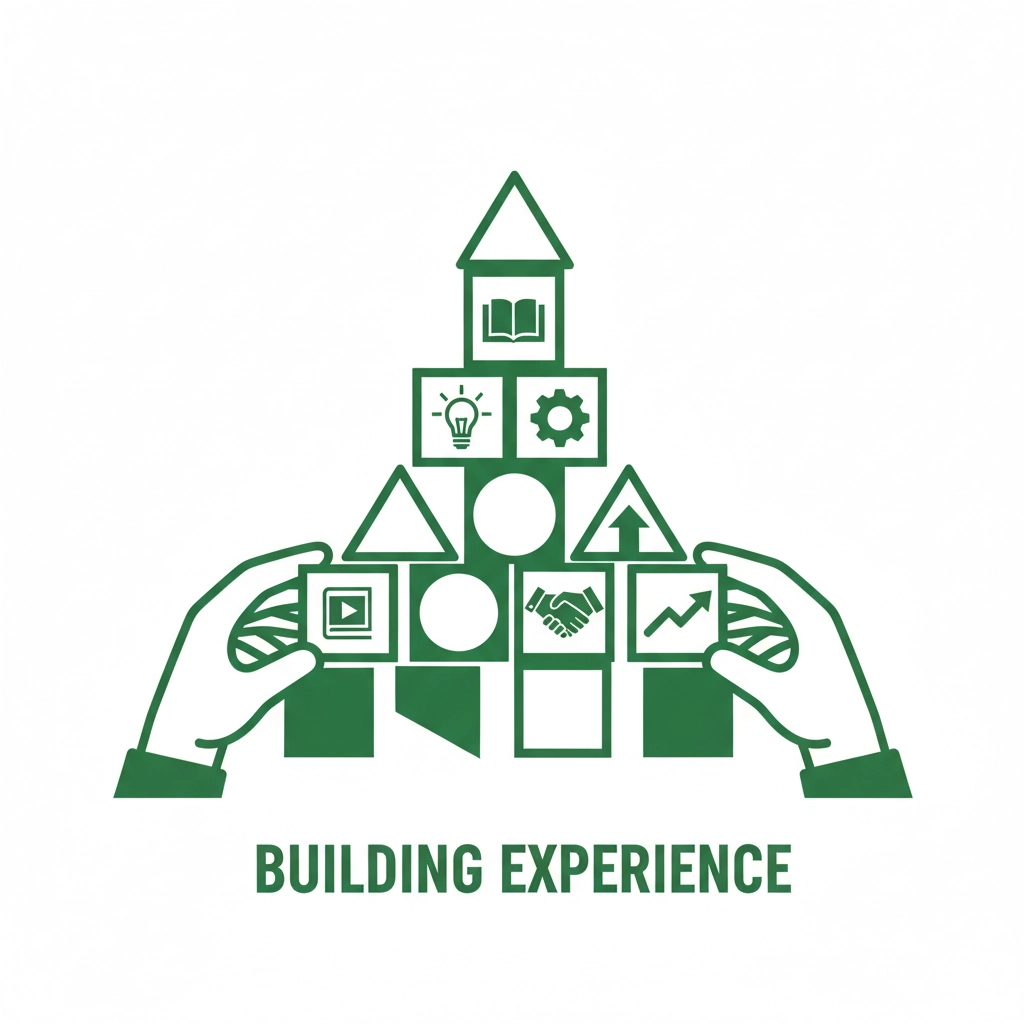
While you’re building new skills, start gaining relevant experience however you can. This might seem challenging while maintaining your current job, but small steps add up quickly.
Experience-Building Strategies:
- Volunteer for organizations in your target field
- Take on freelance projects or consulting work
- Shadow professionals for a day or week
- Join professional organizations and committees
- Offer to help friends or family with projects in your area of interest
Even a few hours a week can help you build a portfolio, understand industry dynamics, and make valuable connections. Plus, this experience gives you concrete examples to discuss in interviews.
Phase 6: Making the Transition
When you feel ready to actively pursue new opportunities, your approach should be strategic and patient. Career transitions rarely happen overnight, but consistent action moves you steadily forward.
Professional Branding Updates
Your resume, LinkedIn profile, and other professional materials need to tell a compelling story about your transition. Focus on relevant skills and experiences rather than trying to include everything from your career history. Use language and keywords common in your target industry.
Application and Interview Strategy
When applying for positions, emphasize your transferable skills, relevant new knowledge, and genuine enthusiasm for the field. Be prepared to address why you’re making a change and how your unique background adds value.
Many successful career changers start at a slightly lower level than their previous role to gain industry experience, then advance quickly due to their mature work habits and diverse skill set.
The Power of Professional Support
While career transition is absolutely possible on your own, career change coaching can accelerate your progress and help you avoid common pitfalls. The benefits of a career coach include:
- Objective perspective on your skills and opportunities
- Industry knowledge and networking connections
- Accountability to keep you moving forward
- Interview preparation and salary negotiation guidance
- Emotional support during challenging moments
Group career coaching can be particularly valuable, offering peer support and shared learning experiences with others navigating similar transitions. You’ll realize you’re not alone in feeling uncertain or overwhelmed: these feelings are completely normal parts of the process.
Overcoming Transition Challenges
Every career change comes with obstacles, but knowing what to expect helps you prepare and persevere.
Common Challenges and Solutions:
- Imposter syndrome: Remember that everyone feels this way when learning something new. Your diverse experience is actually an advantage.
- Financial concerns: Create a transition timeline that includes saving money and potentially taking on part-time work in your new field.
- Family pressures: Involve your support system in your planning so they understand your goals and timeline.
- Starting over fears: You’re not starting over: you’re adding to your existing foundation of skills and experience.
Moving Forward with Confidence
Career transition in your 30s and beyond isn’t just possible: it’s often the key to finding work that truly aligns with who you’ve become. You bring wisdom, skills, and perspective that younger workers simply haven’t had time to develop.
Remember, this process takes time, and that’s okay. Focus on consistent progress rather than perfection. Celebrate small wins along the way, whether it’s completing a certification, having a great informational interview, or simply gaining clarity about what you want.
The career landscape continues to evolve, creating new opportunities for professionals at every stage of life. With strategic planning, skill development, and perhaps some professional guidance, you can successfully transition to work that energizes and fulfills you.
As one career coach wisely noted, “The best time to plant a tree was 20 years ago. The second best time is now.” Your career change journey starts with the first small step: and you’re capable of taking it.
Ready to Start Your Career Transition?
If you’re feeling overwhelmed by the career transition process or want professional guidance to accelerate your progress, you don’t have to navigate this journey alone. Career transition help is available to support you every step of the way.
Ready to explore how career coaching can transform your transition experience? Book a free consultation call to discuss your goals and learn how personalized support can help you achieve the career change you’re dreaming about.