If you’re reading this, chances are you’re exhausted. Not just tired from a long day, but bone-deep, soul-weary exhausted. The kind that makes you question everything you’ve worked for. You’re not alone: and more importantly, this feeling doesn’t define you.
Burnout isn’t a personal failure. It’s information. It’s your inner compass telling you that something in your current path isn’t aligned with who you truly are. The good news? You don’t have to throw away everything you’ve built to find your way back to yourself.
Understanding the Identity Crisis Behind Burnout
When burnout hits, it often feels like you’re losing yourself. You might look in the mirror and wonder who you’ve become, or feel disconnected from the person you used to be. This isn’t unusual: it’s actually a sign that you’ve been operating outside of your authentic self for too long.
The truth is, burnout rarely happens when we’re doing work that truly aligns with our values and strengths. It occurs when there’s a mismatch between what we’re doing and who we are at our core. The exhaustion you feel isn’t just physical; it’s the result of constantly swimming against your natural current.
But here’s what many people don’t realize: pivoting doesn’t mean starting over. It means course-correcting back to yourself.

Step 1: Recognize What Burnout Is Really Telling You
Before you can pivot effectively, you need to understand what your burnout is trying to communicate. Think of it as your internal alarm system going off: not to punish you, but to protect you.
Start by asking yourself these key questions:
- What specific aspects of your current situation drain your energy most?
- When do you feel most like yourself during your typical day?
- What activities or interactions leave you feeling energized instead of depleted?
- What values feel compromised in your current role or situation?
Take time to really sit with these questions. Your answers will reveal patterns that point toward what needs to change: and what needs to stay.
Step 2: Identify Your Non-Negotiables and Core Values
Your identity isn’t just your job title or your achievements. It’s built on your core values, natural strengths, and the things that make you feel most alive. These elements don’t disappear when you pivot: they become your guiding stars.
Create what we call your “Identity Anchor List”:
Your Core Values: What principles are non-negotiable for you? This might include things like creativity, flexibility, meaningful contribution, or time with family.
Your Natural Strengths: What comes easily to you? What do others often ask for your help with? These aren’t just skills you’ve learned: they’re part of who you are.
Your Energy Sources: What activities, environments, or types of interactions naturally energize you rather than drain you?
As one of our clients, Sarah, discovered: “I thought I had to choose between being successful and being happy. But when I identified my core values, I realized I could redesign success to include both.”
Step 3: Conduct Your Personal Energy Audit
This step is crucial for understanding yourself better and making decisions that honor your authentic self. For one week, track your daily activities and rate each one on an energy scale from -5 (extremely draining) to +5 (extremely energizing).
Pay attention to:
- Which tasks feel effortless versus which feel like pushing a boulder uphill
- What times of day you feel most creative and focused
- Which interactions leave you feeling inspired versus depleted
- What environments help you thrive
This audit will reveal valuable insights about what aspects of your current situation to preserve and what to change. The activities that consistently rate high on energy are often deeply aligned with your authentic self: these are clues about your next direction.
Step 4: Reframe Your Pivot as Evolution, Not Revolution
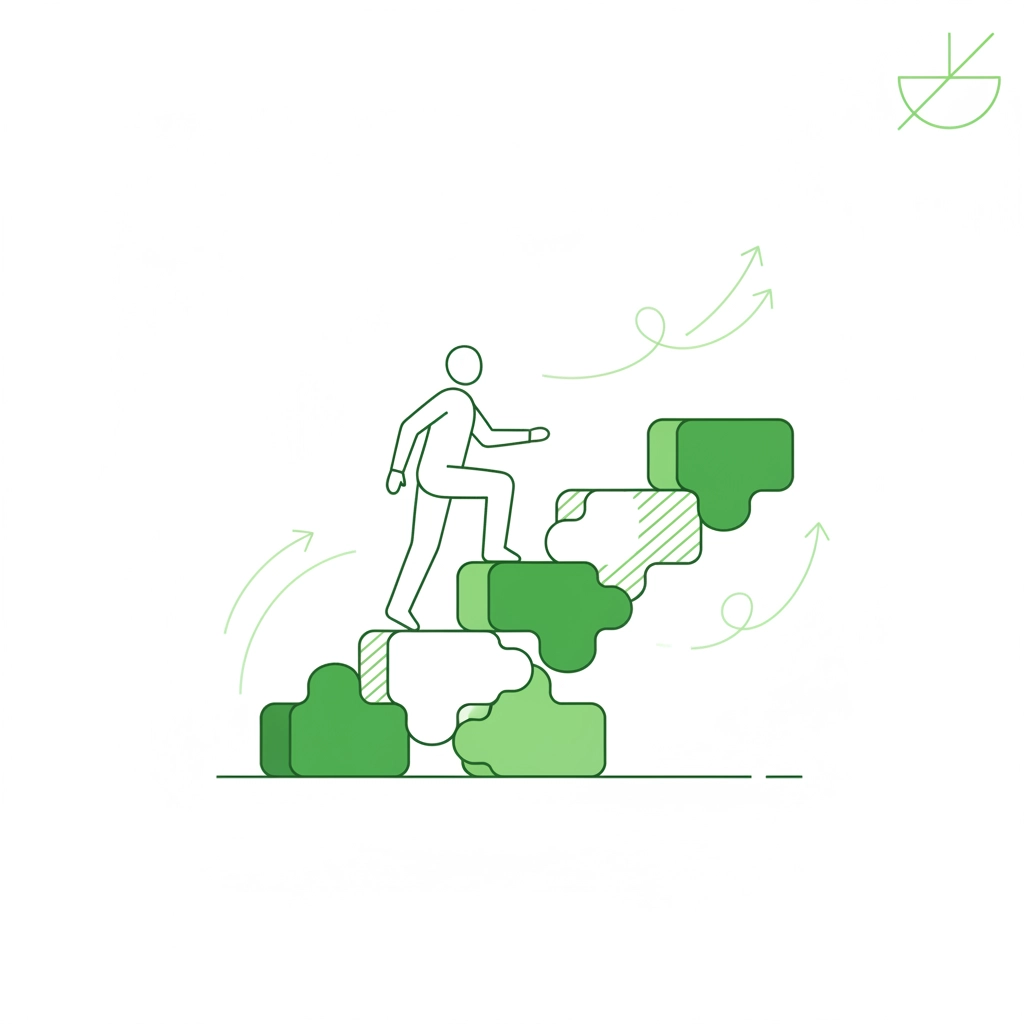
One of the biggest fears about pivoting is losing everything you’ve worked for. But effective pivots aren’t about throwing everything away: they’re about redirecting your existing strengths and experience toward better alignment.
Identify Your Transferable Assets:
- Skills and knowledge that apply across different contexts
- Professional relationships and network connections
- Problem-solving approaches that work for you
- Leadership or collaboration styles you’ve developed
Map Your Experience to New Possibilities:
Your background isn’t a limitation: it’s a unique combination that can open doors others can’t access. A burned-out marketing manager might become a consultant helping small businesses with authentic branding. A exhausted teacher might transition to corporate training or educational technology.
The key is finding the thread that connects where you’ve been with where you want to go, while honoring what matters most to you.
Step 5: Design Your Breakthrough Vision
Now comes the exciting part: designing what comes next. This isn’t about creating a perfect life: it’s about creating an authentic one that allows you to thrive sustainably.
Start with these visioning questions:
- What would work feel like if it energized rather than drained you?
- How would you spend your time if you could design your ideal week?
- What kind of impact do you want to have on others?
- What does success look like when it’s defined by your values, not external expectations?
Don’t worry about making this vision “realistic” yet. Give yourself permission to dream based on what would truly fulfill you. You can figure out the practical steps later.
Step 6: Take One Small, Aligned Action
Movement creates momentum, but it’s important to start with actions that feel empowering rather than overwhelming. Choose one small step that moves you toward your vision while honoring your current reality.
This might be:
- Having a conversation with your manager about workload or role adjustments
- Scheduling a consultation with a career coach
- Setting boundaries around work hours or availability
- Exploring a side project that aligns with your interests
- Connecting with someone in a field that interests you
The goal isn’t to solve everything at once. It’s to prove to yourself that change is possible and that you have more control than you might feel right now.
Step 7: Build Your Support System
You don’t have to navigate this transition alone. In fact, trying to do it solo often makes the process harder and less successful. Build a support system that includes:
Professional Support: Consider working with a career coach who can help you navigate the transition strategically while staying true to yourself.
Personal Support: Share your journey with trusted friends or family members who can offer encouragement and perspective.
Peer Support: Connect with others who are also in transition or who have successfully pivoted in ways that inspire you.
Remember, asking for help isn’t a sign of weakness: it’s a sign of wisdom.
Your Identity Isn’t Lost: It’s Waiting to Be Reclaimed
The beautiful thing about moving from burnout to breakthrough is that you often discover you haven’t lost yourself at all. You’ve just been buried under expectations, obligations, and definitions of success that never really fit you in the first place.
Your pivot isn’t about becoming someone new. It’s about removing the layers that were never really you and returning to who you’ve always been at your core: but now with the wisdom and experience to create a life that truly supports your authentic self.
The exhaustion you’re feeling right now? It’s temporary. The person you are underneath it all? That’s permanent, valuable, and waiting to shine again.
Feeling burned out? You’re not alone. If you’re ready for a gentle first step, you can book a supportive 30-minute session with one of our coaches to reignite your passion and create a calm, personalized plan. Book a Risk-free clarity session
“You don’t have to start over—you can start where you are.” And remember, “small, aligned actions create big shifts over time.”
We’ll meet you exactly where you are and walk with you from burnout to breakthrough.